UAE Philharmonic Orchestra presents
Follow your dreams. Or choose your fate.
Conductor: Nicolas Mann · Running time about 1 hour 45 minutes including interval.
Bandleader Paul Whiteman had asked George Gershwin for a jazz concerto, and Gershwin had turned him down: too little time. Then, on 4 January 1924, his brother Ira read out a notice in the New-York Tribune while George was playing billiards. It announced that Gershwin was writing a jazz concerto for Whiteman's concert An Experiment in Modern Music. The premiere was five weeks away.
He could have said no. Instead he started writing. The shape of the piece came to him on a rattling train to Boston, where the rhythm of the wheels became, as he later put it, a kind of musical kaleidoscope of America: its rush, its cities, its mix of people and its sheer nerve.
On 12 February 1924, at Aeolian Hall in New York, Gershwin sat at the piano himself and partly improvised his solo, because he had not had time to write it down. The band watched him for a nod to know when to come back in. Rachmaninoff, Fritz Kreisler and Leopold Stokowski were in the audience. By the end, a young songwriter from Brooklyn had become a composer the whole world knew.
The working title was American Rhapsody. Ira suggested Rhapsody in Blue after seeing paintings by Whistler with titles such as Nocturne in Black and Gold. The orchestration is by Ferde Grofé, who scored it first for Whiteman's band in 1924 and in 1942 for full symphony orchestra.
One idea, five weeks, no safety net. This is what following a dream sounds like.
The opening: a low clarinet trill that slides up more than two octaves into a laugh. Gershwin wrote it as a fast scale; in rehearsal Whiteman's clarinettist Ross Gorman smeared it into a glissando for fun, and Gershwin asked him to keep it. Later, the big, slow love theme in the strings, which arrives like a city skyline at dusk.
Tchaikovsky wrote this symphony in 1877 and 1878, through the most turbulent months of his life: a hurried marriage in July 1877 that collapsed within weeks, a breakdown, and flight abroad. Throughout it he was writing letters to Nadezhda von Meck, a wealthy widow who supported him for thirteen years, on the understanding that they would never meet. He dedicated the symphony to her.
In one of those letters he explained what the music meant. The fanfare at the very start is Fate, the kernel of the whole symphony: the force that stops our hopes of happiness from coming true, hanging over us like the sword of Damocles. Everything that follows is a struggle with it.
If you find no joy within yourself, look to others. Life is still possible.
The Fate fanfare. It opens the symphony, cuts through the first movement at every turning point, and then breaks into the middle of the finale's celebration. Notice what the orchestra does after it that last time.
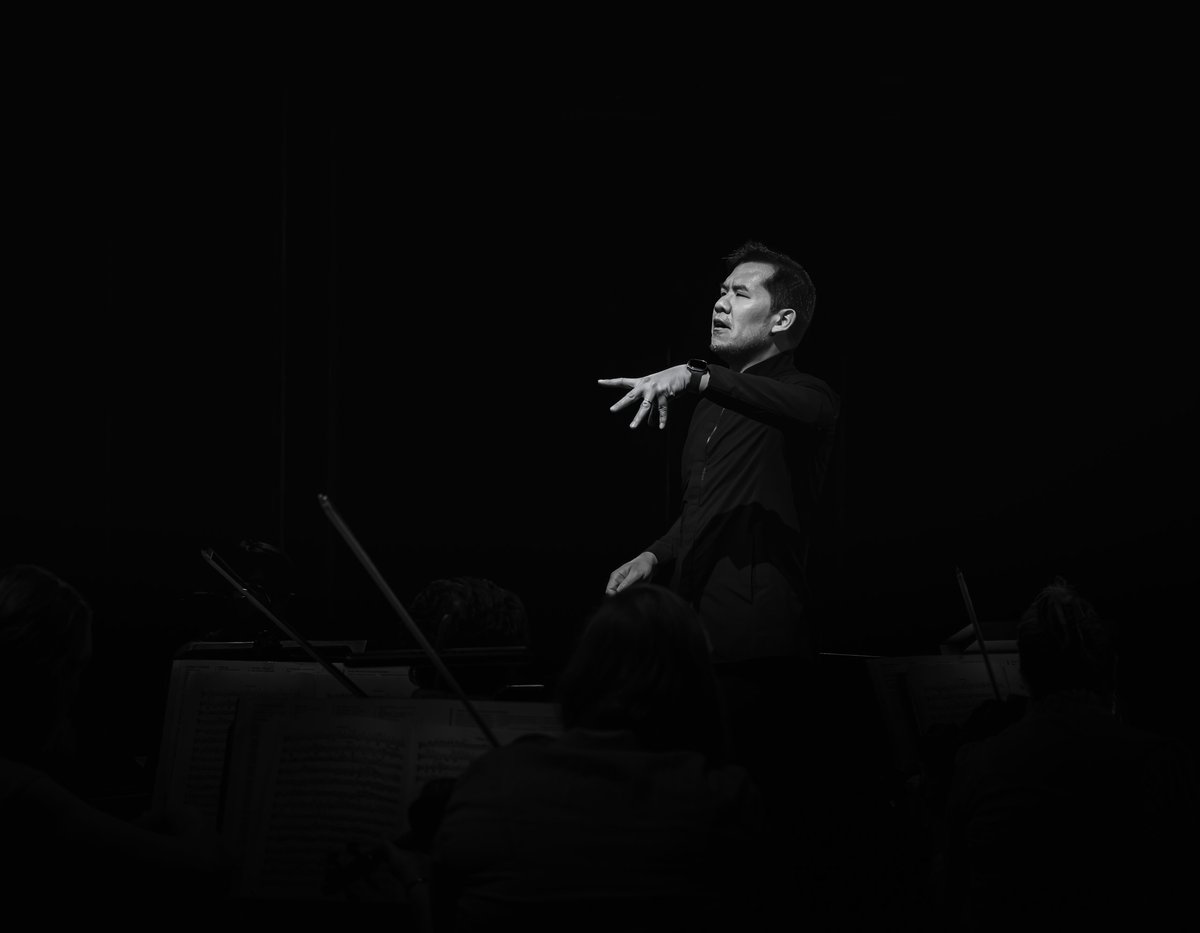
Born in Spain, formed in the Russian school, at home in Dubai.
Nicolas Mann is Chief Conductor and Artistic Director of the UAE Philharmonic Orchestra and was named Conductor of the Year in 2026. His path to the podium began with the violin: he is a First Prize laureate of the Arthur Grumiaux International Violin Competition in Belgium, and a laureate of the BraVo Prize.
His career bridges East and West. He has conducted orchestras in France, Spain, Germany, Russia, Venezuela, Uzbekistan and Syria, among them the Real Orquesta Sinfónica de Sevilla and the Tyumen Philharmonic in Russia, and he has conducted at the Bolshoi Theatre in Moscow.
On the world stage he has shared concerts with Andrea Bocelli and A.R. Rahman, and led the world premiere of Ilaiyaraaja's Symphony No. 1 at Dubai Opera. He has conducted at landmark occasions such as the Dubai World Cup and the 30th Universal Postal Union Congress.
In 2024 he relaunched the UAE Philharmonic Orchestra, building an ensemble of 25 nationalities. He calls music a way of building diplomatic bridges, and lives that idea: from a conductor exchange with the Tyumen Philharmonic, where he performed music by Emirati composer Ihab Darwish, to his work as official conductor of an orchestral programme for young Emirati musicians.
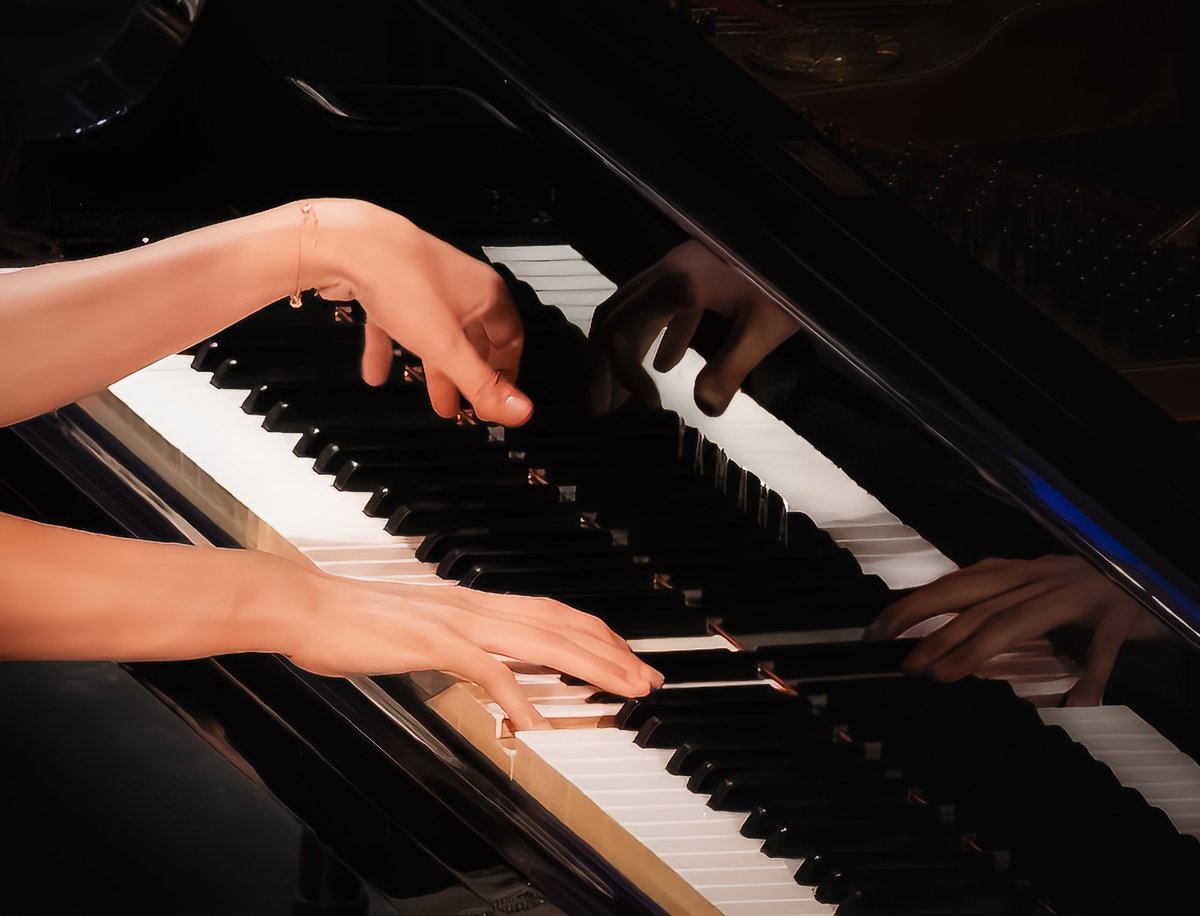
A French pianist of Russian origin, Olga Kirpicheva lived in France from 2013 and has been based in Abu Dhabi since 2022. She began studying piano and flute at the age of five and is regarded as one of the most promising pianists of her generation.
As a soloist and chamber musician she has performed in the Grande salle Pierre Boulez of the Philharmonie de Paris, the Auditorium du Louvre, Salle Gaveau and Théâtre des Bouffes du Nord. Passionately devoted to both the Russian and French schools, she won First Prize in the chamber category of the XV Elevato International Piano & Chamber Competition in Switzerland in 2021. Her album Dialogues, pairing Rachmaninoff with Nazaykinskaya, was released on the Etcetera label in 2023.
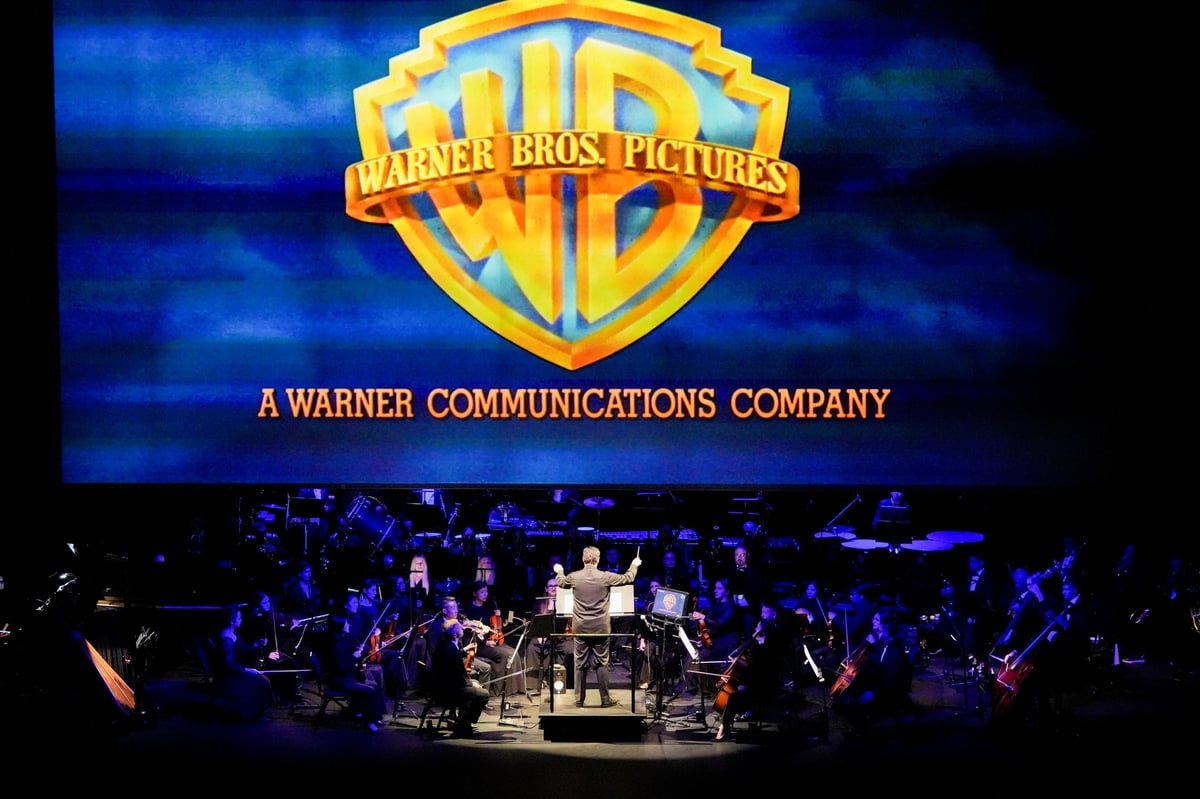
Born and raised in the UAE, the UAE Philharmonic Orchestra brings together musicians of 25 nationalities who have made this country their home, united under the sky of Dubai. Relaunched in 2024 under BACKART Creative Events, it is led by Chief Conductor Nicolas Mann.
The orchestra has shared the stage with Andrea Bocelli and The World of Hans Zimmer, and its season moves between the great symphonic repertoire, film music in concert, family shows and festive Viennese evenings, at home in Dubai and on tour across the Gulf. Its aim is simple: to make symphonic music feel like it belongs to everyone who lives here.
nationalities · one orchestra
Every turn of the cube changes the whole picture. Thank you for choosing this evening with us.
Get Tickets NowPlease switch phones to silent and keep the screen dimmed during the performance.
The Experience
A full orchestra performing a brand-new programme built around the theme of fate and destiny.
Visual projections, lighting design and the audience itself become part of the performance.
Conductor Nicolas Mann and pianist Olga Kirpicheva lead an unforgettable evening of music.
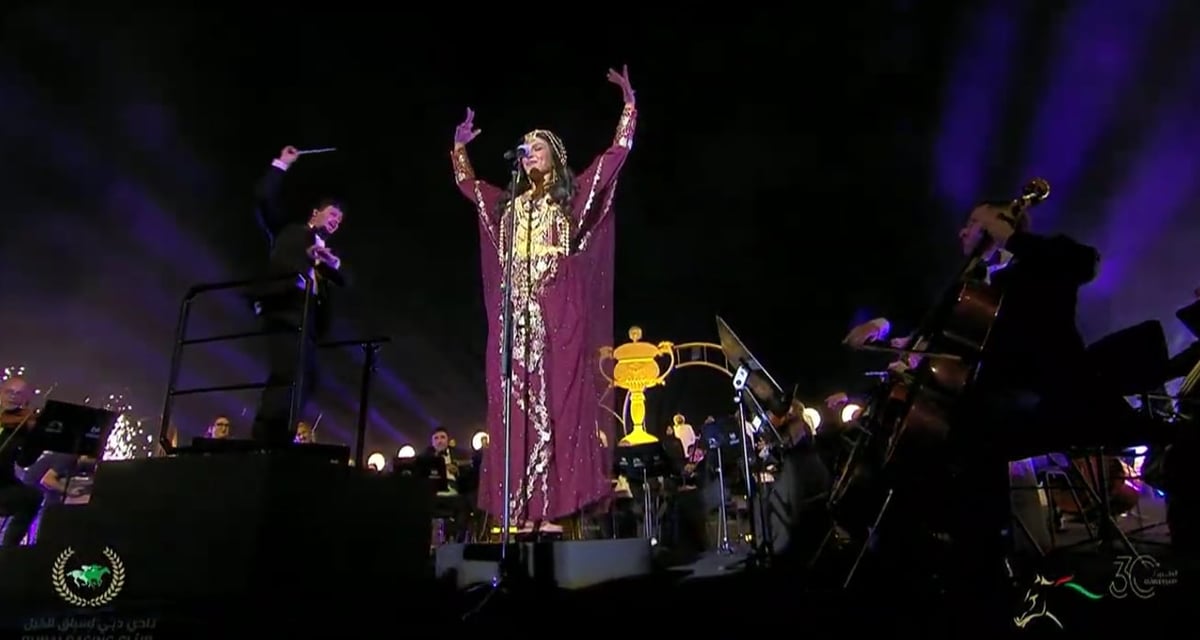
Live at the New Covent Garden Theater
Event Details
Date
Saturday, November 7, 2026
Start time
8:00 PM
Venue
New Covent Garden Theater, Dubai
Featuring
Nicolas Mann, conductor · Olga Kirpicheva, piano
Limited seats
Tickets are selling fast. Secure your place for Rhapsody of Fate — an evening you will remember for years.
Get Tickets Now